Discover Historic Banff
Mountain Heritage
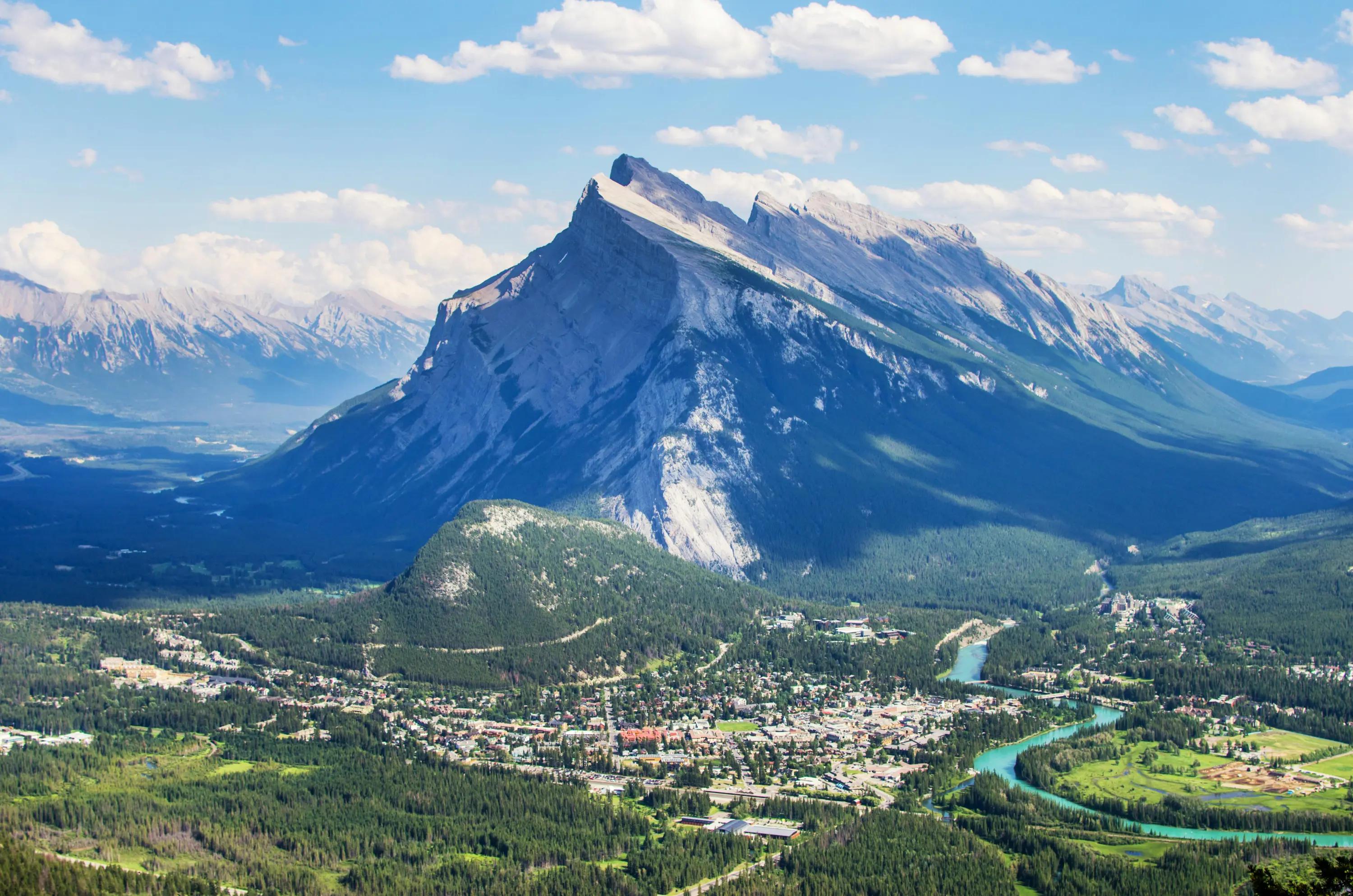
Nestled in the heart of the Canadian Rockies, Banff stands as a testament to both natural splendour and human ingenuity. This iconic mountain town has evolved from humble beginnings to become one of North America's premier destinations, captivating visitors with its stunning landscapes, rich cultural heritage, and boundless recreational opportunities.
From Railway Discovery to National Treasure
The story of Banff begins in 1883 when three railway workers stumbled upon natural hot springs on the eastern slope of what is now known as Sulphur Mountain. This serendipitous discovery during the construction of the transcontinental Canadian Pacific Railway would forever change the destiny of this mountain region. Recognizing the potential of these thermal waters, the Canadian government established a small reserve around the springs in 1885, making it Canada's first national park and the world's third national park.
The Canadian Pacific Railway, seeing an opportunity to promote tourism along its routes, constructed the magnificent Banff Springs Hotel in 1888. Designed in the style of a Scottish baronial castle, this architectural marvel was intended to attract wealthy travellers and establish Banff as a world-class resort destination. The railway company's vision proved prescient, as the hotel—now the Fairmont Banff Springs—remains an iconic symbol of Canadian hospitality and mountain luxury.
Throughout the early 20th century, Banff continued to develop its identity as both a natural sanctuary and tourism destination. The completion of the Banff-Windermere Highway in 1923 made the town accessible by automobile, bringing a new wave of visitors eager to experience the Canadian wilderness. During World War II, Banff National Park briefly served a different purpose when the government established an internment camp for "enemy aliens" at Castle Mountain.
The post-war period saw Banff emerge as an international tourism phenomenon. The town's commitment to preserving its natural environment while providing world-class amenities established it as a model for sustainable tourism development. In 1984, Banff National Park was designated a UNESCO World Heritage Site, recognizing its exceptional natural beauty and ecological significance.
Exploring Modern Banff: The Town Experience
Downtown Delights
Today's Banff seamlessly blends its historic charm with contemporary amenities. The heart of the experience begins on Banff Avenue, the town's main thoroughfare lined with an eclectic mix of boutiques, galleries, restaurants, and historic buildings. Despite its popularity, Banff has maintained strict development regulations to preserve its mountain town character, with buildings limited to three stories and architectural styles that complement the natural surroundings.
Cultural enthusiasts will appreciate the Whyte Museum of the Canadian Rockies, which houses an impressive collection of artwork, photographs, and artefacts that chronicle the human history of the Rockies. The nearby Buffalo Nations Luxton Museum offers insights into the rich heritage of the indigenous peoples who have called this region home for thousands of years before European settlement.
For those seeking relaxation, the Banff Upper Hot Springs provides the same therapeutic waters that first put the town on the map. Soaking in these mineral-rich pools while gazing at panoramic mountain views remains one of the most authentic Banff experiences. Meanwhile, the Banff Centre for Arts and Creativity hosts world-class performances, exhibitions, and conferences, serving as a cultural hub that attracts artists and intellectuals from around the globe.
Culinary Excellence in Alpine Settings
Banff's dining scene has evolved from simple mountain fare to sophisticated culinary experiences that rival those of major metropolitan centers. Restaurants like Eden at the Rimrock Resort Hotel and 1888 Chop House at the Fairmont Banff Springs offer refined dining experiences featuring local ingredients such as Alberta beef, game meats, and foraged mountain herbs.
For more casual options, The Grizzly House serves fondue and exotic meats in a rustic setting that has barely changed since the 1960s, while The Bear Street Tavern offers artisanal pizzas that have developed a cult following. The Park Distillery produces small-batch spirits using glacial water and locally-sourced grains, offering tours and tastings that showcase the intersection of craftsmanship and mountain environment.
Natural Wonders: Exploring Banff National Park
Iconic Landscapes
Beyond the town limits, Banff National Park unfolds as a 2,564-square-mile wonderland of alpine majesty. The park's crown jewels include Lake Louise, where turquoise waters reflect the surrounding peaks and Victoria Glacier. The historic Fairmont Chateau Lake Louise stands on its shores, offering a perfect base for exploring this natural wonder in any season.
Moraine Lake, with its surreal blue waters and the dramatic Valley of the Ten Peaks as backdrop, creates what many consider the most photogenic landscape in Canada—an image so iconic it once appeared on Canadian twenty-dollar bills. Less crowded but equally spectacular, Peyto Lake offers a wolf-shaped body of vivid turquoise water best viewed from Bow Summit, the highest point on the Icefields Parkway.
The Columbia Icefield, accessible via the Icefields Parkway connecting Banff to Jasper National Park, represents the largest ice mass in the Rocky Mountains. Visitors can walk on ancient ice via guided tours on the Athabasca Glacier, experiencing firsthand the impact of climate change as markers demonstrate the glacier's retreat over decades.
Wildlife Encounters
Banff National Park serves as a sanctuary for diverse wildlife, including grizzly and black bears, elk, moose, bighorn sheep, and wolves. Dawn and dusk offer the best opportunities for wildlife viewing, particularly along the Bow Valley Parkway, where reduced speed limits and seasonal travel restrictions protect animal movement corridors.
The Vermilion Lakes, just minutes from downtown Banff, provide habitat for waterfowl, beavers, and occasionally grazing elk, all against the dramatic backdrop of Mount Rundle. For a more immersive wildlife experience, guided tours with certified naturalists offer insights into animal behaviour and conservation efforts while ensuring safe and responsible viewing practices.
Seasonal Adventures: Year-Round Recreation
Winter Wonderland
When snow blankets the landscape, Banff transforms into a winter sports paradise. The "Big 3" ski resorts—Mount Norquay, Sunshine Village, and Lake Louise Ski Resort—offer diverse terrain for all skill levels, from gentle learning slopes to challenging chutes and bowls. The famous "Champagne Powder" snow, characterised by its light, dry consistency, attracts skiers and snowboarders from around the world.
Beyond downhill sports, winter activities abound: ice skating on frozen Lake Louise, cross-country skiing on meticulously groomed trails, ice climbing frozen waterfalls, and snowshoeing through silent forests. Johnston Canyon's frozen waterfalls create an otherworldly blue ice environment that draws photographers and ice walkers on specially designed cleats.
One of the most magical winter experiences is the nighttime sleigh ride around Lake Louise, where bundled guests glide through the snow under starlit skies before warming up with hot chocolate by a crackling fire. For the truly adventurous, helicopter tours provide breathtaking aerial views of snow-covered peaks, while dog sledding excursions connect visitors to a traditional mode of winter transportation.
Summer Exploration
As temperatures rise and snow recedes, Banff reveals a different kind of splendour. Over 1,000 miles of hiking trails cater to every ability level, from wheelchair-accessible boardwalks to challenging alpine routes. The Plain of Six Glaciers trail takes hikers from Lake Louise to a historic teahouse with panoramic glacier views, while the Johnston Canyon pathway leads to stunning waterfalls through dramatic limestone cliffs.
Mountain biking has grown increasingly popular, with purpose-built trail networks at Mount Norquay and the Tunnel Mountain area offering everything from gentle cruises to technical descents. Road cyclists challenge themselves on the iconic Bow Valley Parkway and breathtaking Icefields Parkway, where scenic pullouts provide opportunities to rest and photograph the spectacular surroundings.
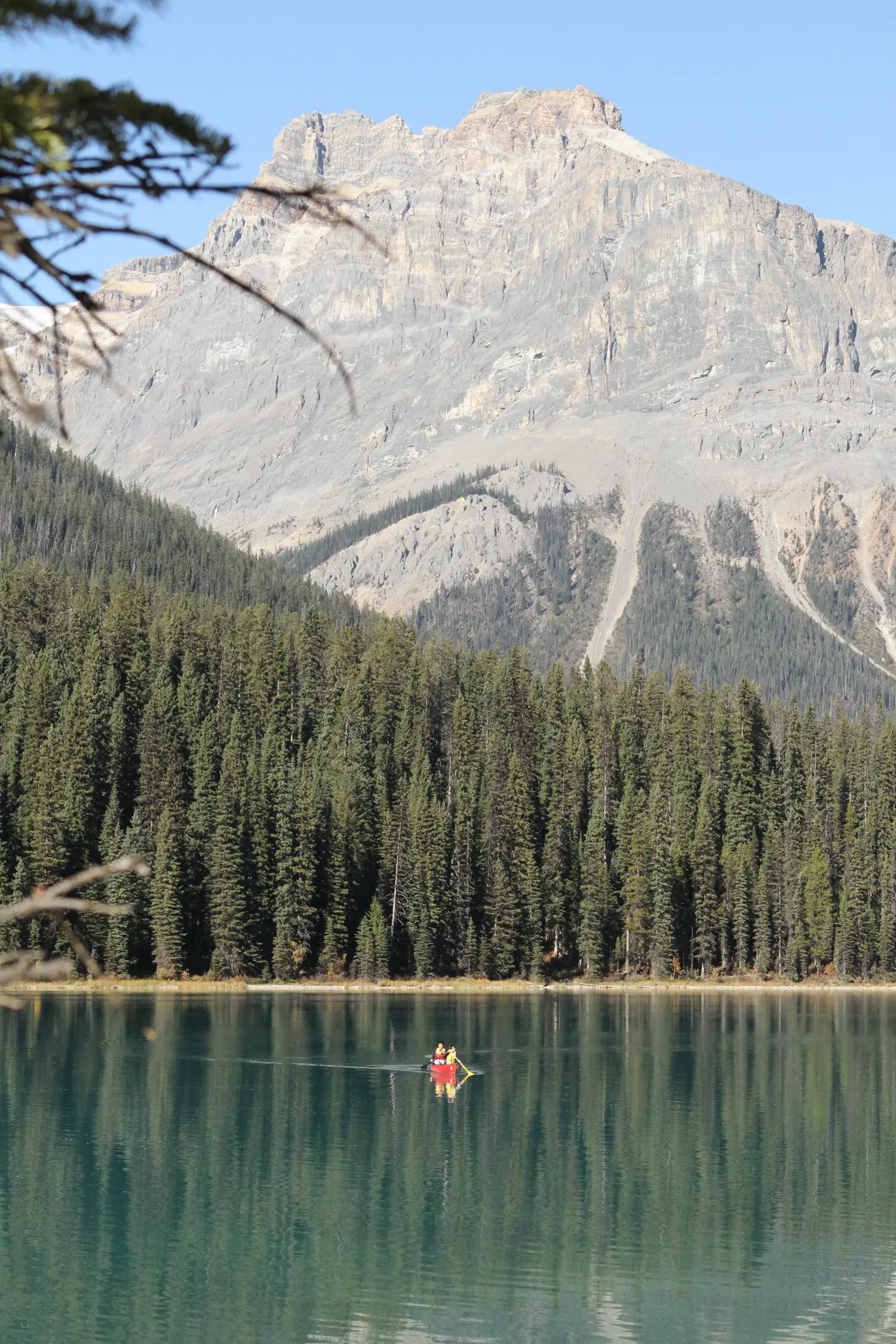
Water activities center around the glacial lakes and rivers. Canoeing on Lake Louise and Moraine Lake offers intimate perspectives of these famous landscapes, while white-water rafting on the Kicking Horse River provides adrenaline-pumping adventure through class III-IV rapids. For a more contemplative experience, fly fishing on the Bow River connects anglers to the region's pristine waters and native trout species.
Conservation Challenges and Sustainable Tourism
As Banff's popularity continues to grow, the delicate balance between tourism and conservation faces increasing pressure. The town and national park have implemented numerous initiatives to address these challenges, including a public transit system to reduce vehicle traffic, wildlife corridors and overpasses to facilitate animal movement, and strict waste management protocols to prevent human-wildlife conflicts.
Visitors can contribute to conservation efforts by practicing responsible tourism: staying on designated trails, properly storing food to avoid attracting wildlife, using public transportation or shuttles to popular attractions, and respecting seasonal closures designed to protect sensitive habitats and breeding areas.
Looking Forward: Banff's Enduring Legacy
As Banff approaches its 150th anniversary, the town and national park continue to evolve while honouring their rich heritage. New interpretive centers utilise cutting-edge technology to educate visitors about climate change impacts on alpine environments, while indigenous partnerships bring traditional ecological knowledge into conservation practices and visitor experiences.
What remains constant is the profound impact Banff has on those who visit. Whether standing atop a mountain summit, watching the northern lights dance above a frozen lake, or simply savouring a quiet moment amid towering pines, visitors to Banff frequently describe their experience as transformative—a reconnection to something elemental and enduring in an increasingly fast-paced world.
From its humble beginnings as a hot spring discovery to its current status as a global icon of natural preservation and mountain recreation, Banff continues to embody the perfect intersection of human ingenuity and wilderness conservation. It stands as a testament to the foresight of those who recognised, over a century ago, that some places are so extraordinary they must be preserved for all generations to experience and cherish.